Boosting seller efficiency through a
unified order management system
An optimised omni-channel order management system that streamlines processes across
multiple sales channels, offering a scalable solution that grows with sellers of all sizes
Overview
Amazon SmartHub empowers sellers by centralising the order management processes across diverse sales channels. Tailored for both small vendors and large retailers, it provides an integrated solution within Amazon's SmartCommerce suite, enhancing operational efficiency at every scale.
Impact
The platform launched and scaled quickly. What started as a tool to simplify seller operations became infrastructure processing tens of thousands of orders weekly across India's major marketplaces.
Challenge
Across different sales channels, businesses struggled with disconnected tools that forced manual workarounds, creating inefficient processes that prioritised speed at the cost of accuracy. Our research revealed a critical gap: sellers needed a solution that could provide clear communication, adaptive workflows, and intuitive design to truly support their daily complex operations.
Understanding the domain
Being a domain that is obscure and operates behind the scenes, we got right into it by conducting site visits to small to large scale go-downs and warehouses in order to observe first hand how operators & managers go about processing thousands of orders everyday. Key objectives of research:
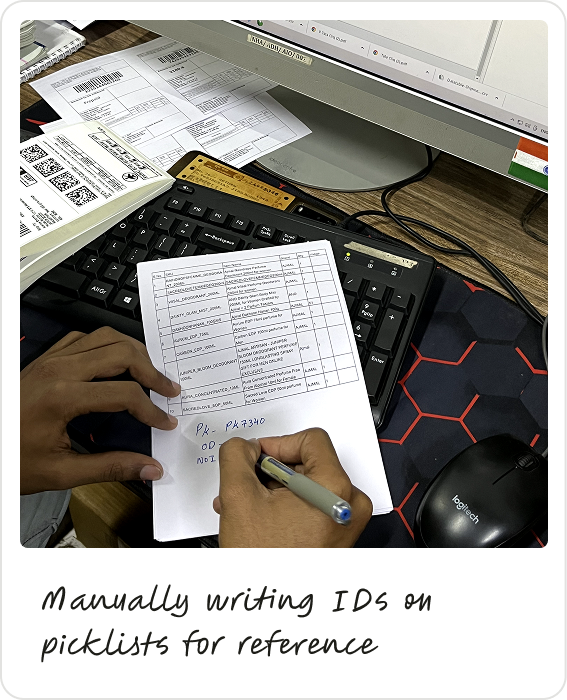
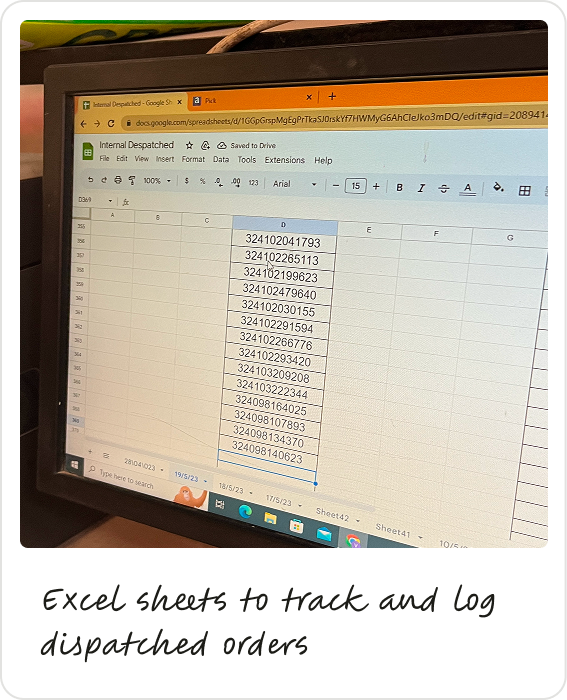
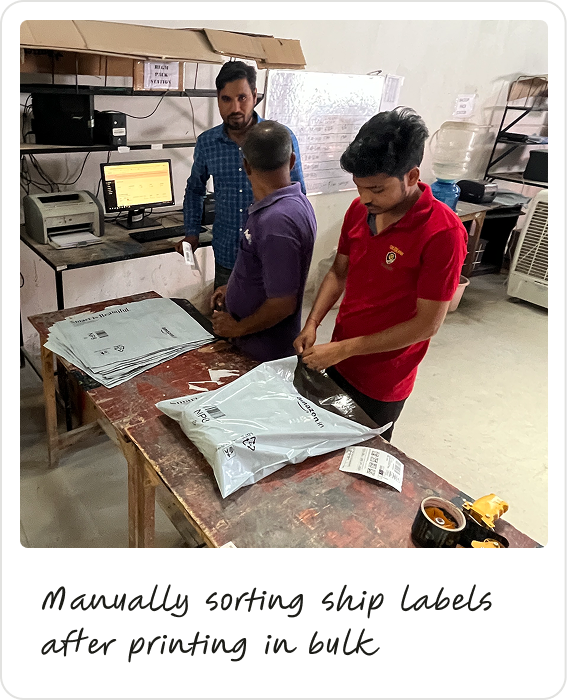
While understanding how sellers use in-house Enterprise Resource Management (ERP) softwares in tandem with 3P Order Management Systems (OMS), we found that sellers rely on more than just software dashboards. To manage orders effectively, they developed custom internal processes that bridge gaps in their existing ERP and OMS tools.
As we shadowed operators & managers through the day, we gained few critical insights:

Because of the failure in updates & lack of visibility, we now have a dedicated resource who keeps tallying online orders with what is shown on our dashboard.
When an order being packed has a SKU that is not picked, our operators directly pick it from the shelf. It's not the right way of doing it. The best way would be to make a picklist and then scan. We cannot rely on someone writing the SKU to be picked.


If it is scan based, we feel the system should be faster. Right now what we do is faster, and also we get assurance that we have manually checked it. With a scanner, accuracy will increase but speed will reduce.
Diving deeper
With a more nuanced understanding of the domain, we moved beyond feature checklists and focused on creating modules that sellers would truly find empowering. The next step was to validate our design hypotheses and ensure we were truly solving real problems.
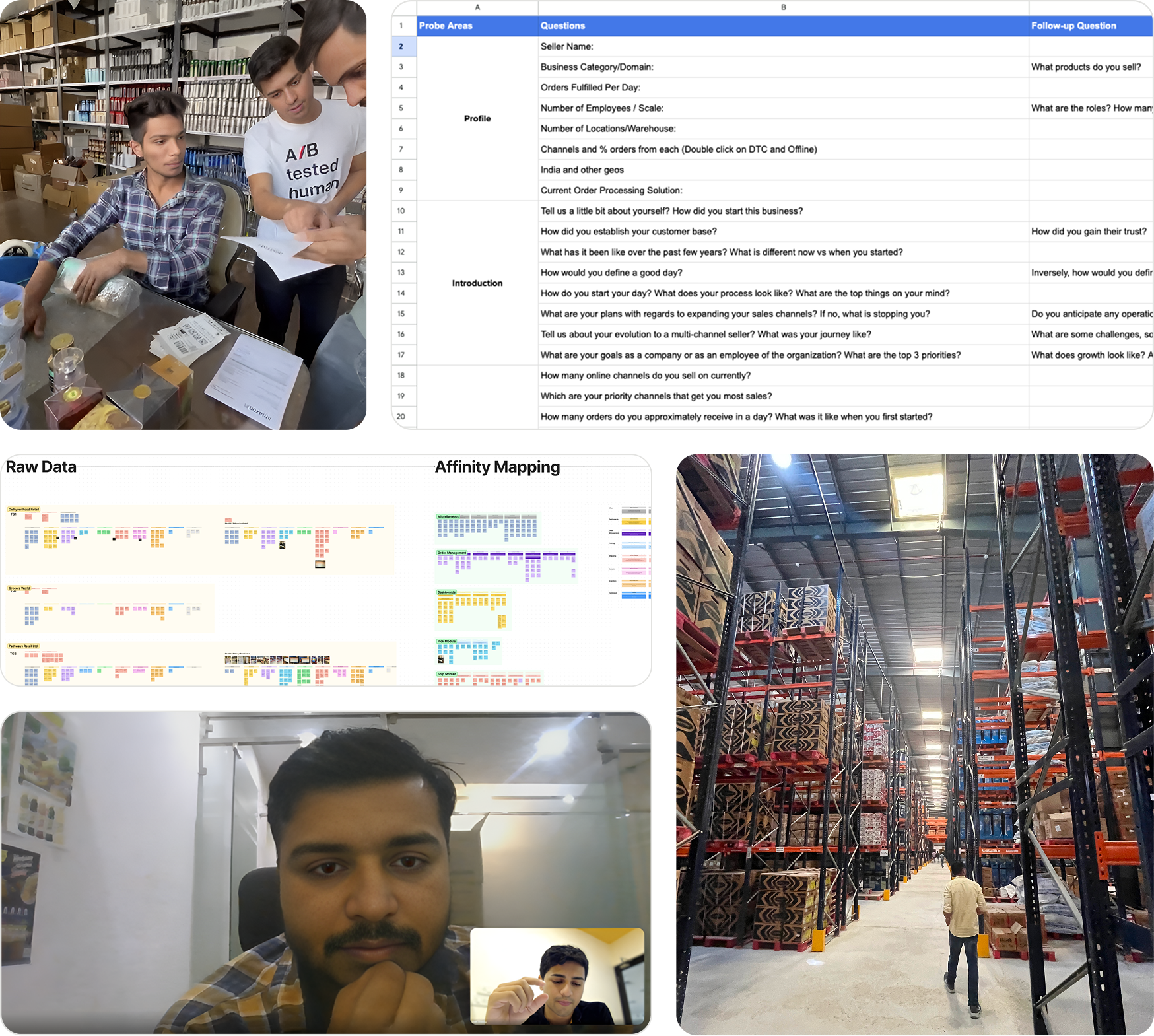
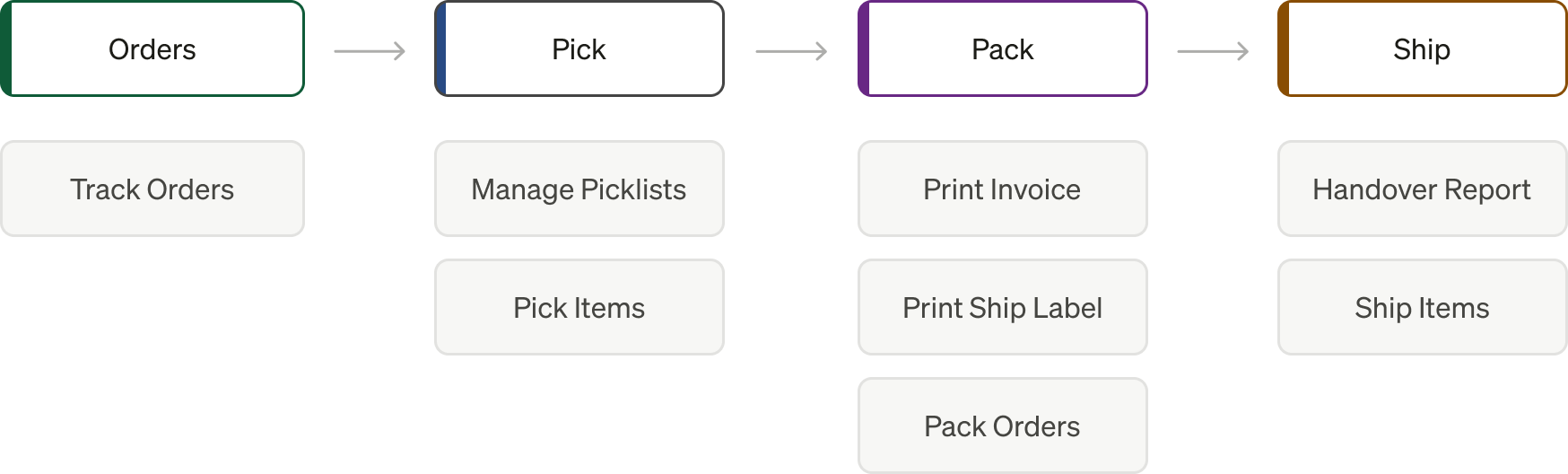
We followed up with several remote interviews and field visits to warehouses. This time, our refined understanding allowed us to ask targeted questions and validate our existing insights. We were put together what an ideal order processing system map would look like.
Design principles
Our research not only uncovered insights but also identified key opportunity areas, which in turn unveiled core design principles that would guide our designs. These principles became our north star, ensuring every design decision centred on seller needs.
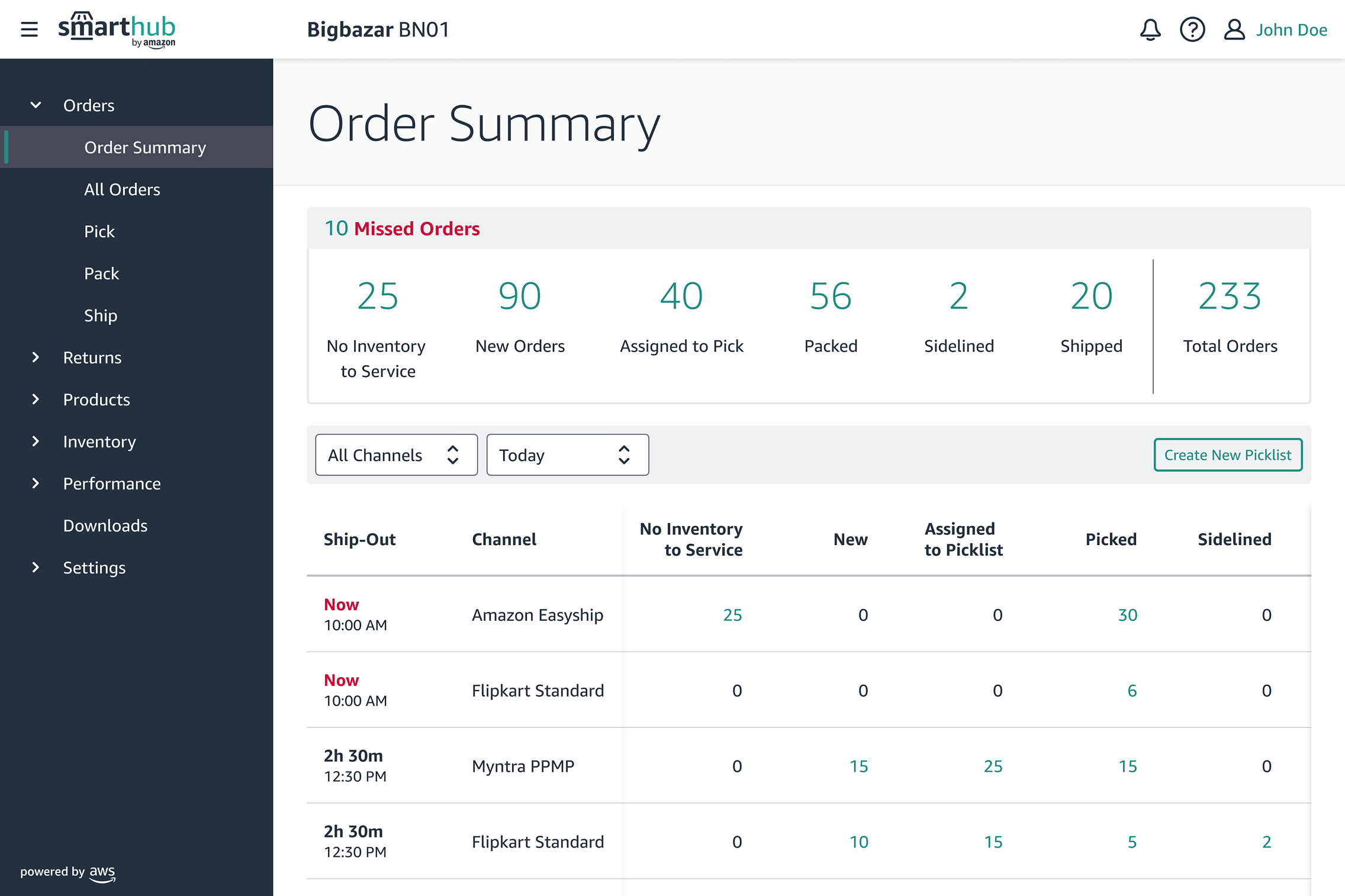
A strategic order management system that provides a comprehensive view of daily operations. Offers intuitive modules to help sellers efficiently track and manage their order fulfilment process, ensuring clear visibility and control.
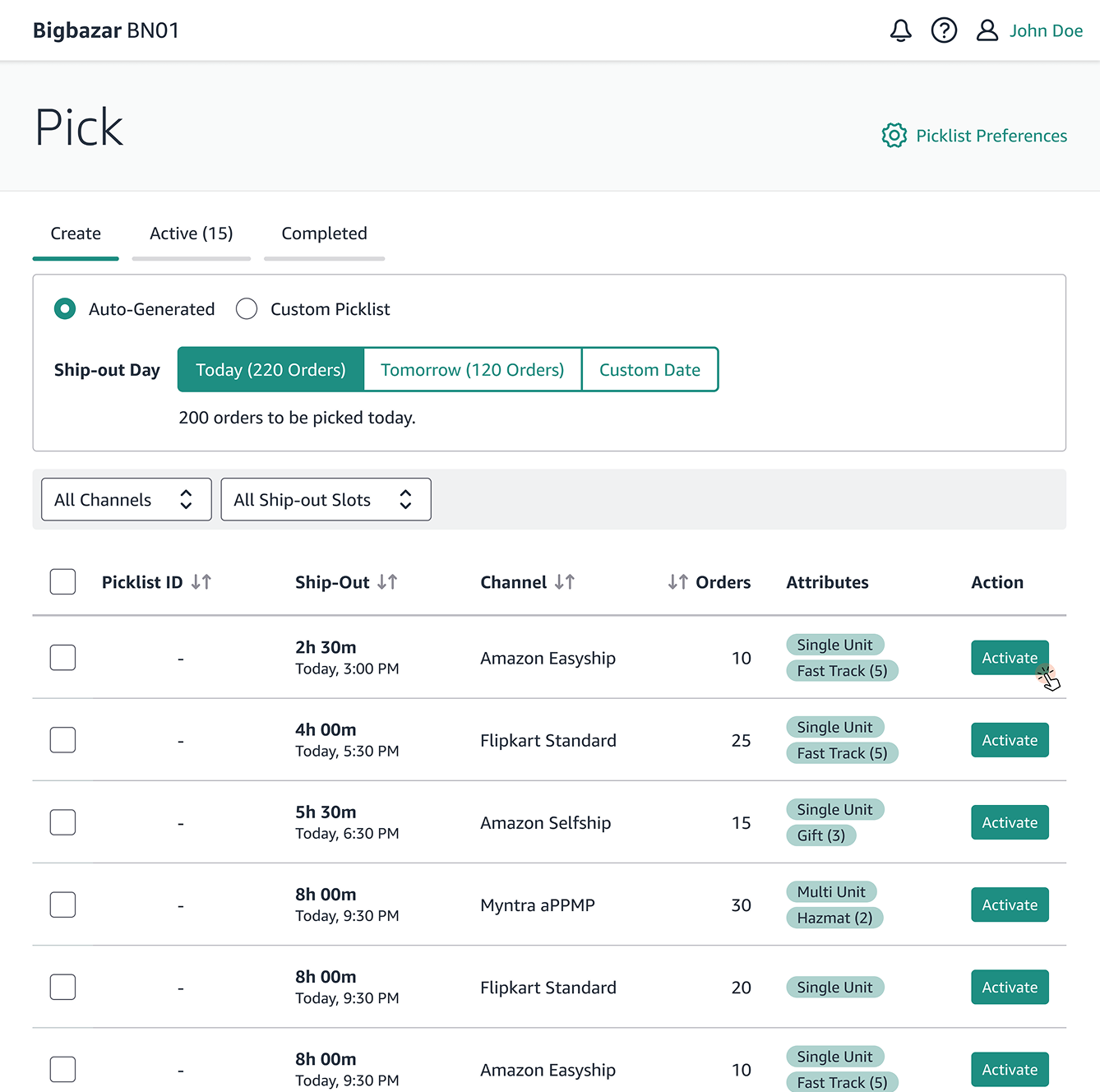
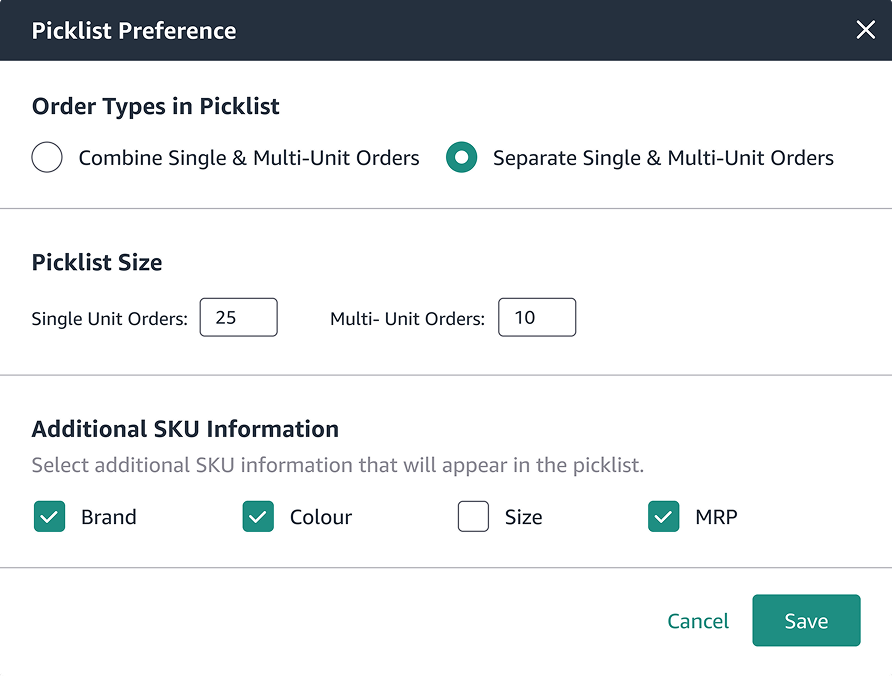
The pick module streamlines order picking by generating optimised picklists. By allowing sellers to set preferences and create custom lists, it ensures a faster & more accurate picking process, minimising effort and reducing errors.
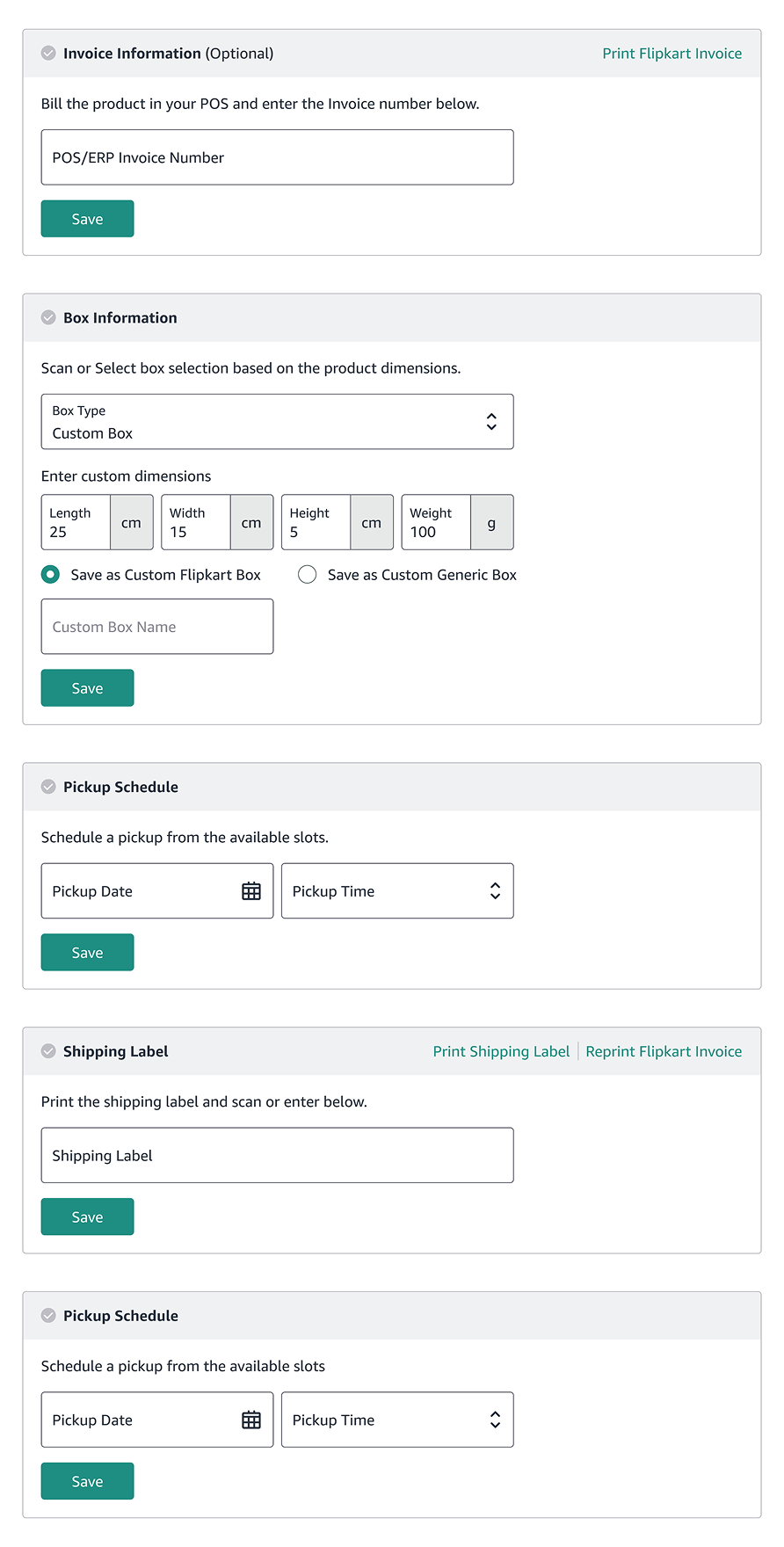
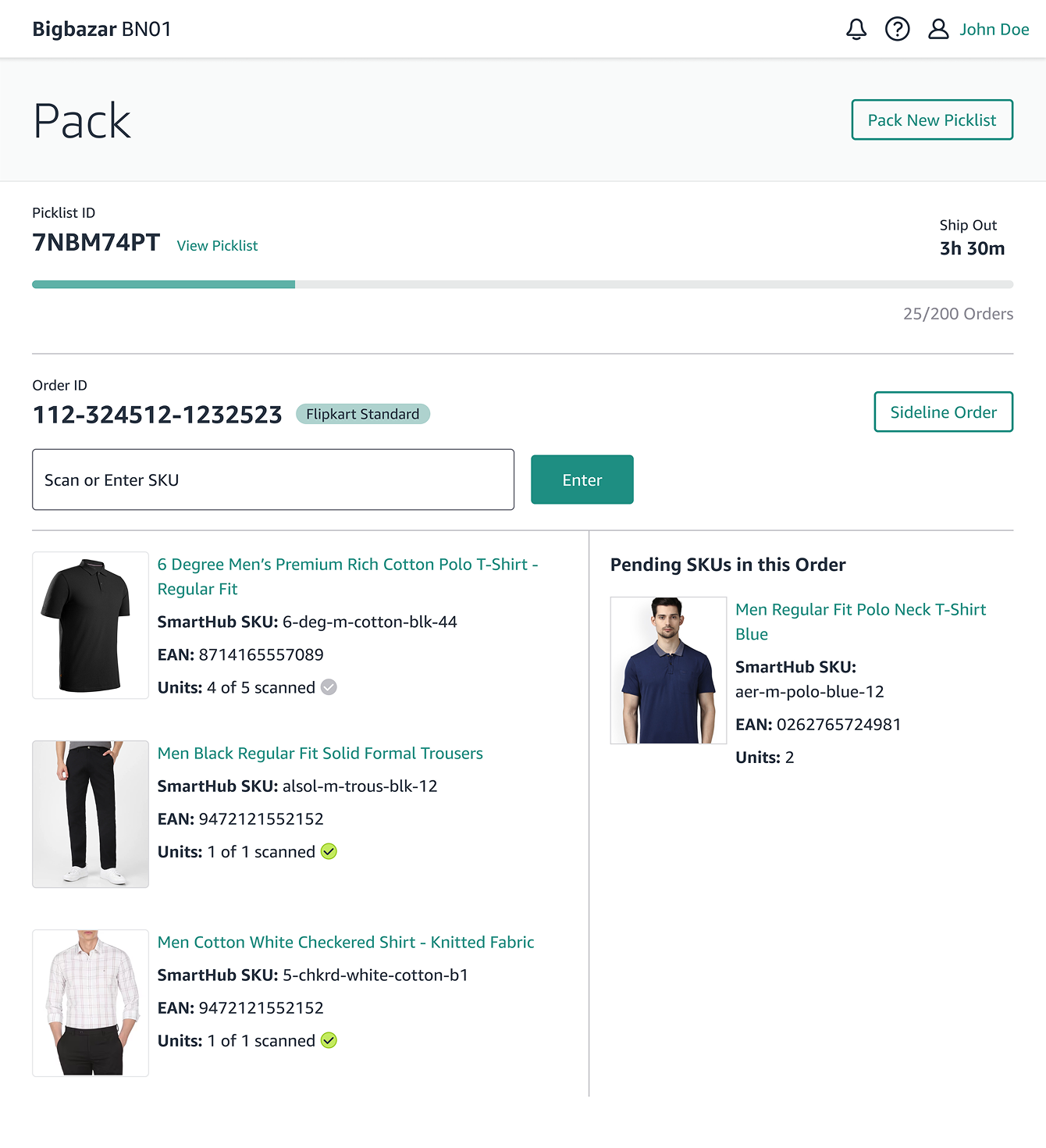
A packing module that simplifies the process with clear, step-by-step process. Using progressive disclosure, it guides sellers to pack orders systematically and accurately, minimising errors and maintaining a smooth, efficient workflow.
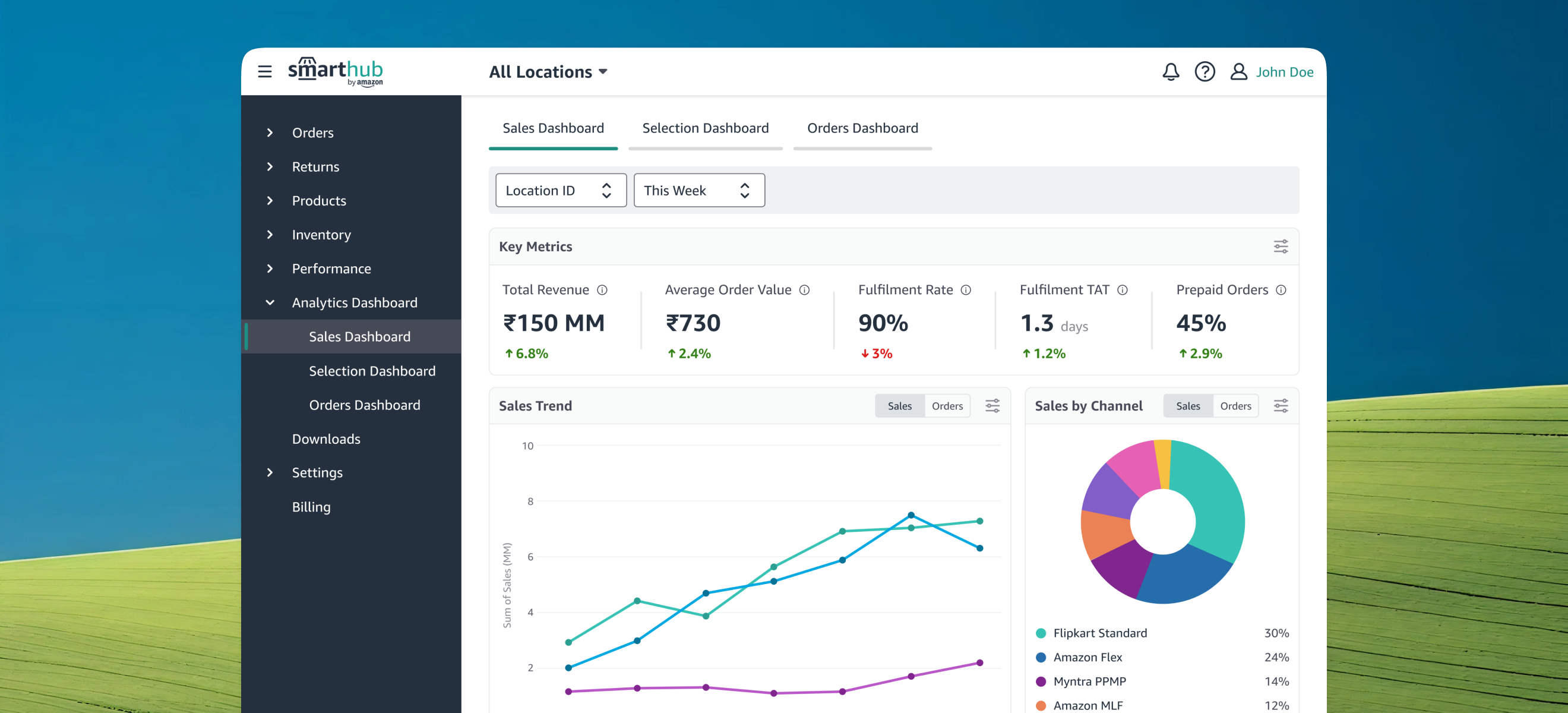
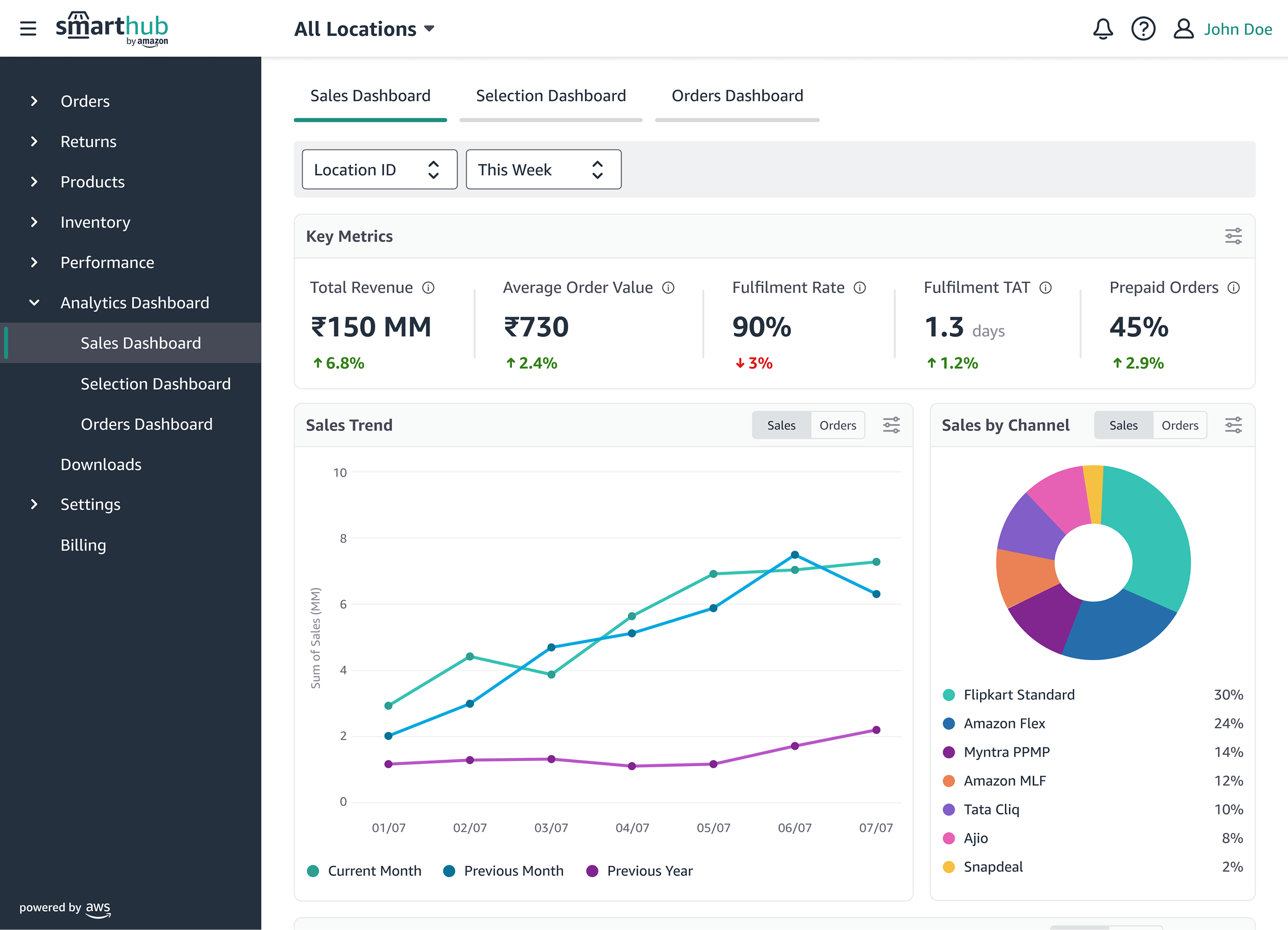
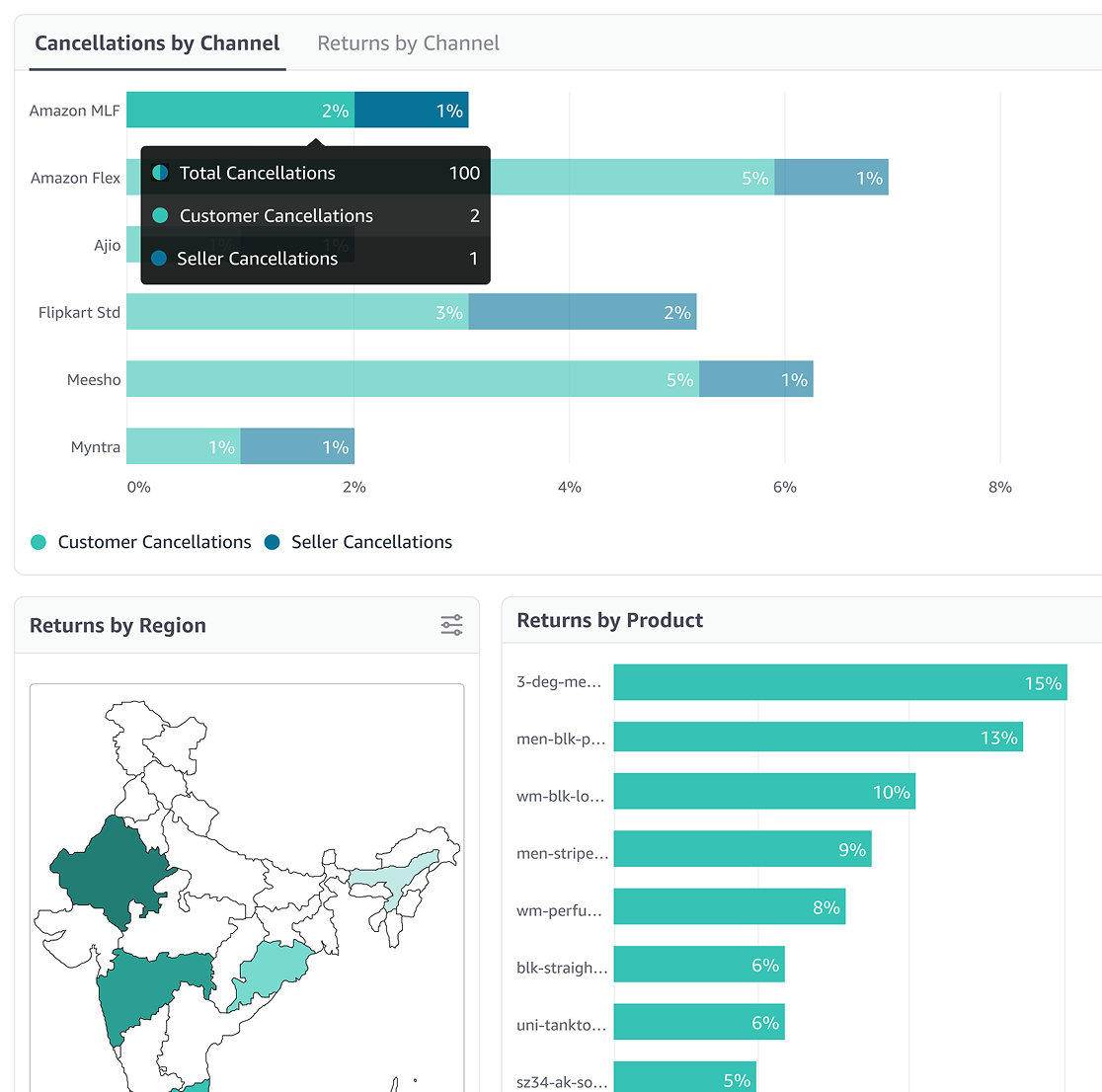
A comprehensive view of seller performance that breaks down complex sales metrics into actionable insights. Visualises order trends, inventory status, and revenue patterns across sales channels. Helps sellers identify performance gaps, track key performance indicators, and understand sales velocity to optimise their operational strategy.

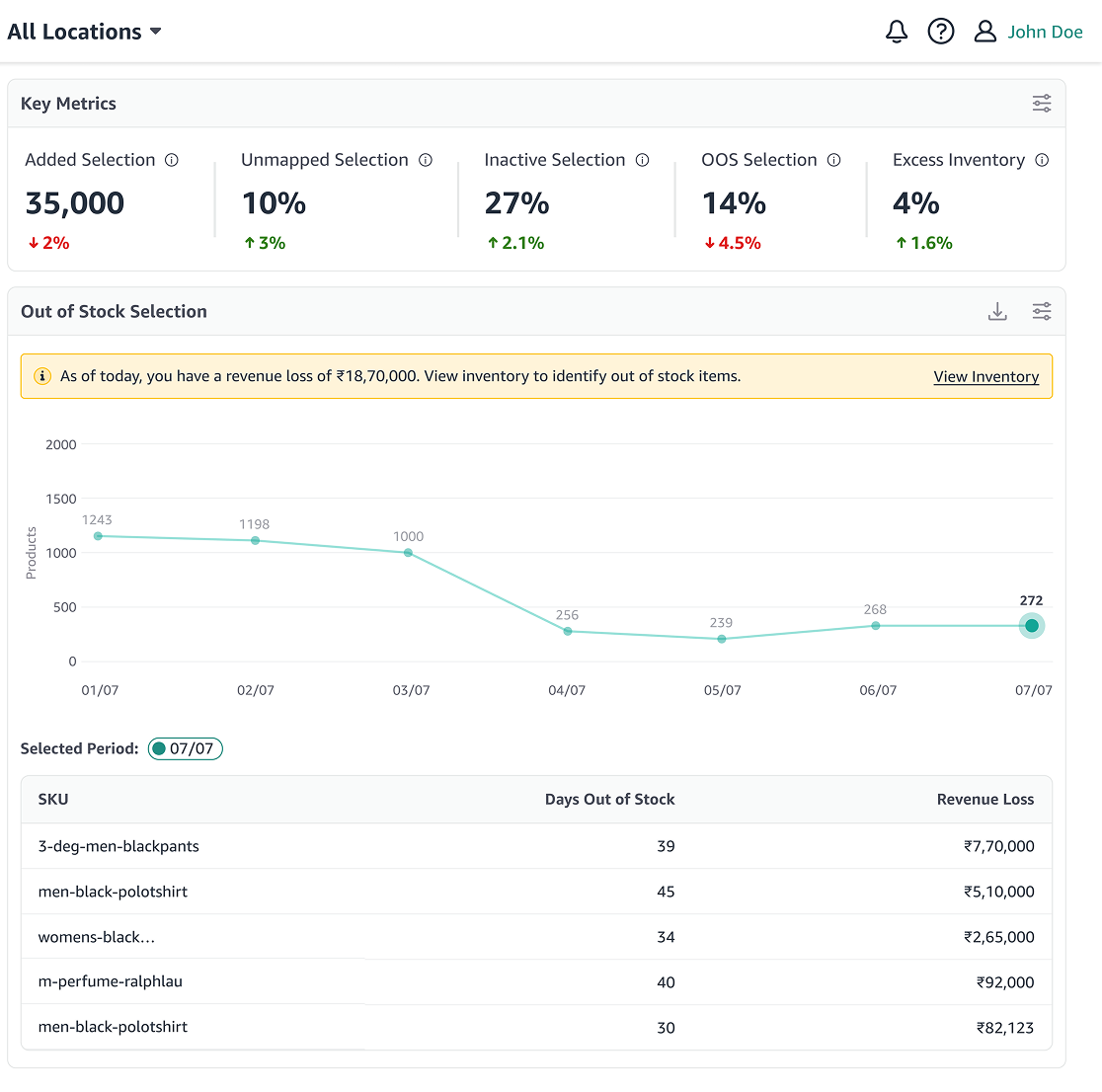
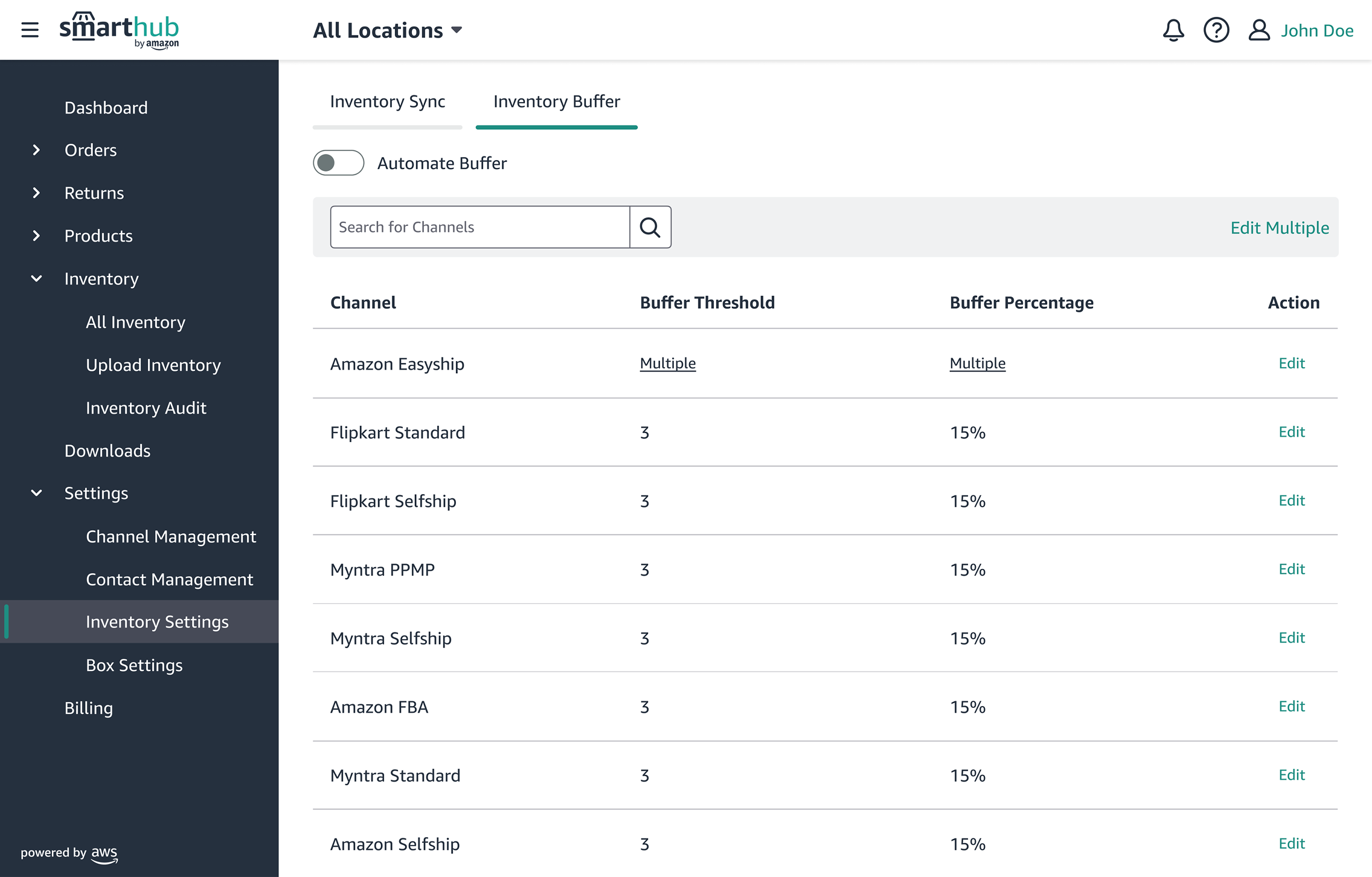
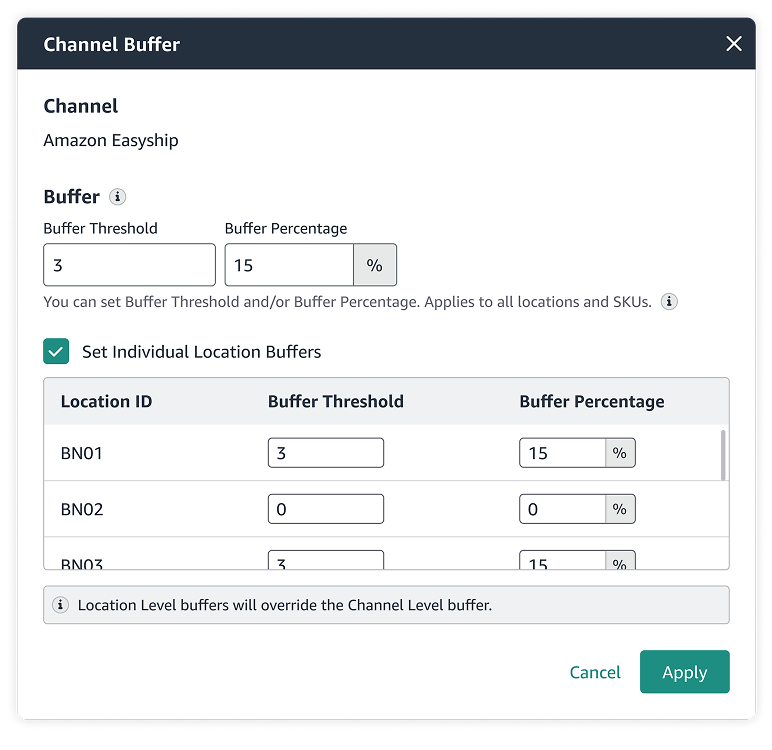
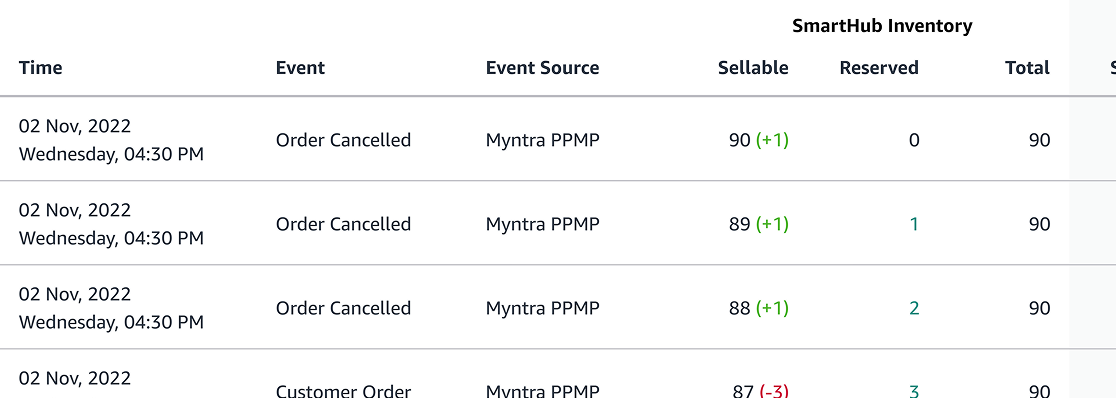
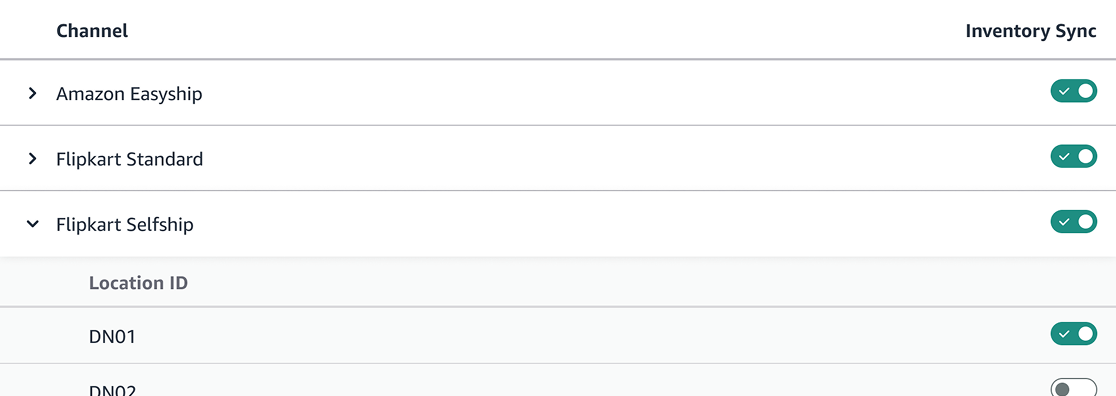
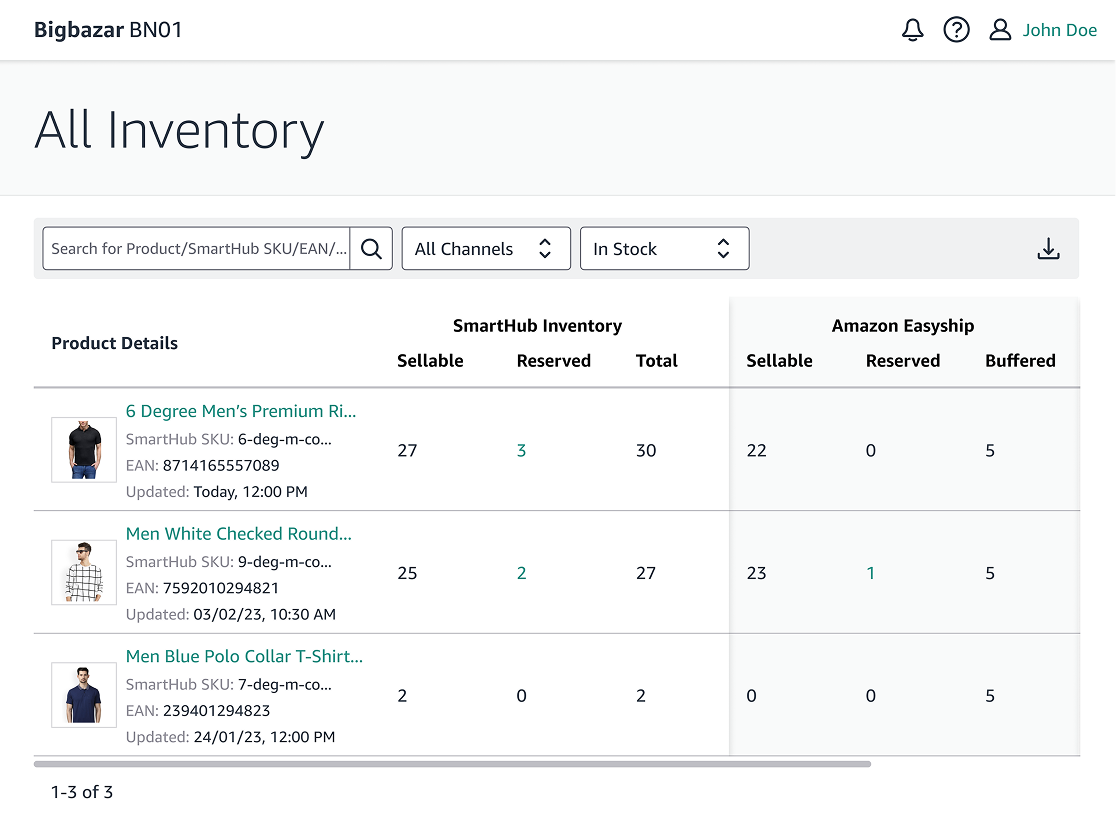
A unified inventory view across multiple channels and locations. Enables sellers to track product availability, set channel-specific allocation thresholds, and optimise stock distribution. Helps prevent stock-outs and aligns channel and on-ground demand.
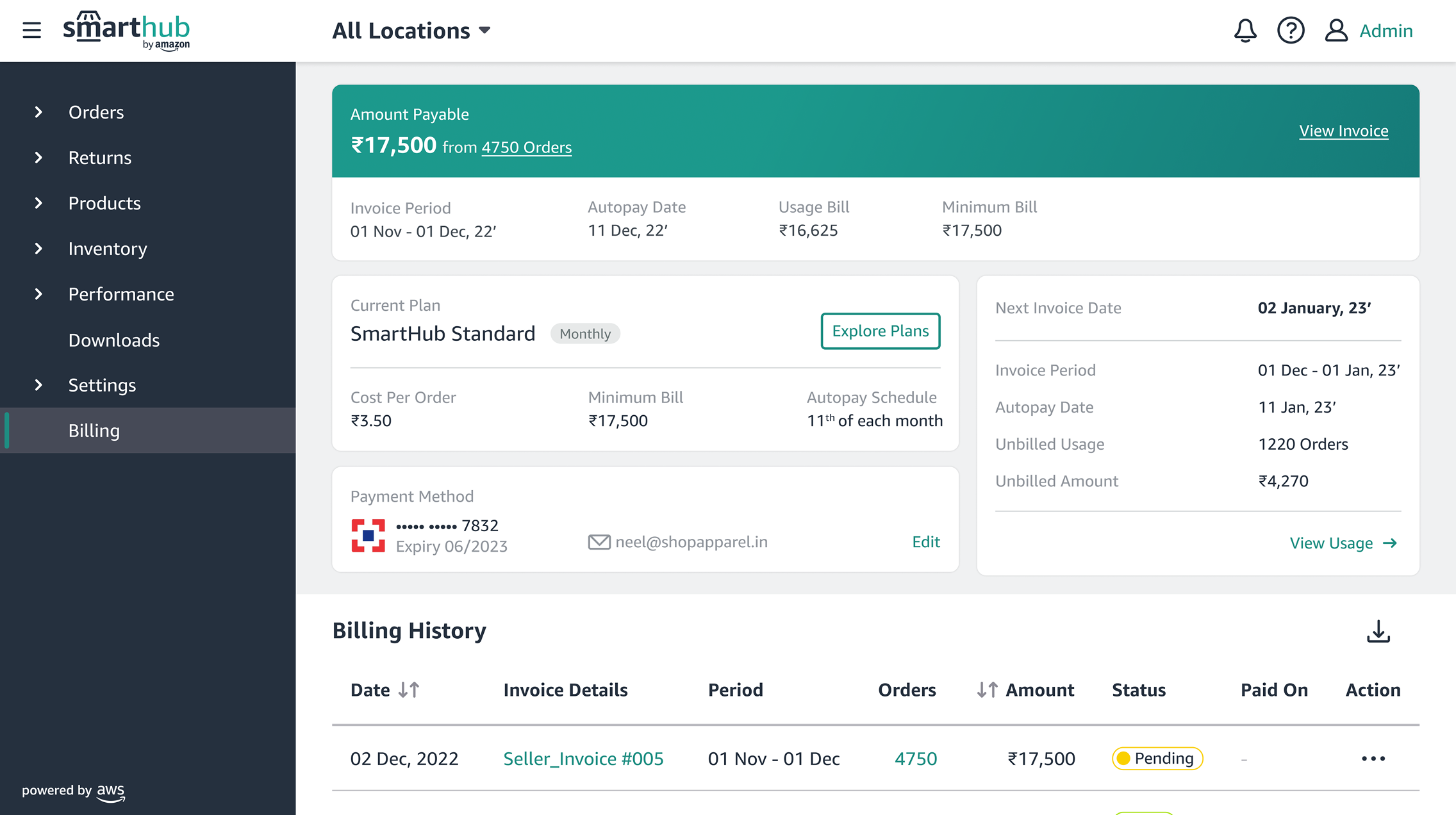
A transparent financial overview that presents key billing details in a bento layout. Enables sellers to quickly track current dues, upcoming payments, and historical transactions. Placing key information upfront, it builds seller trust and confidence.
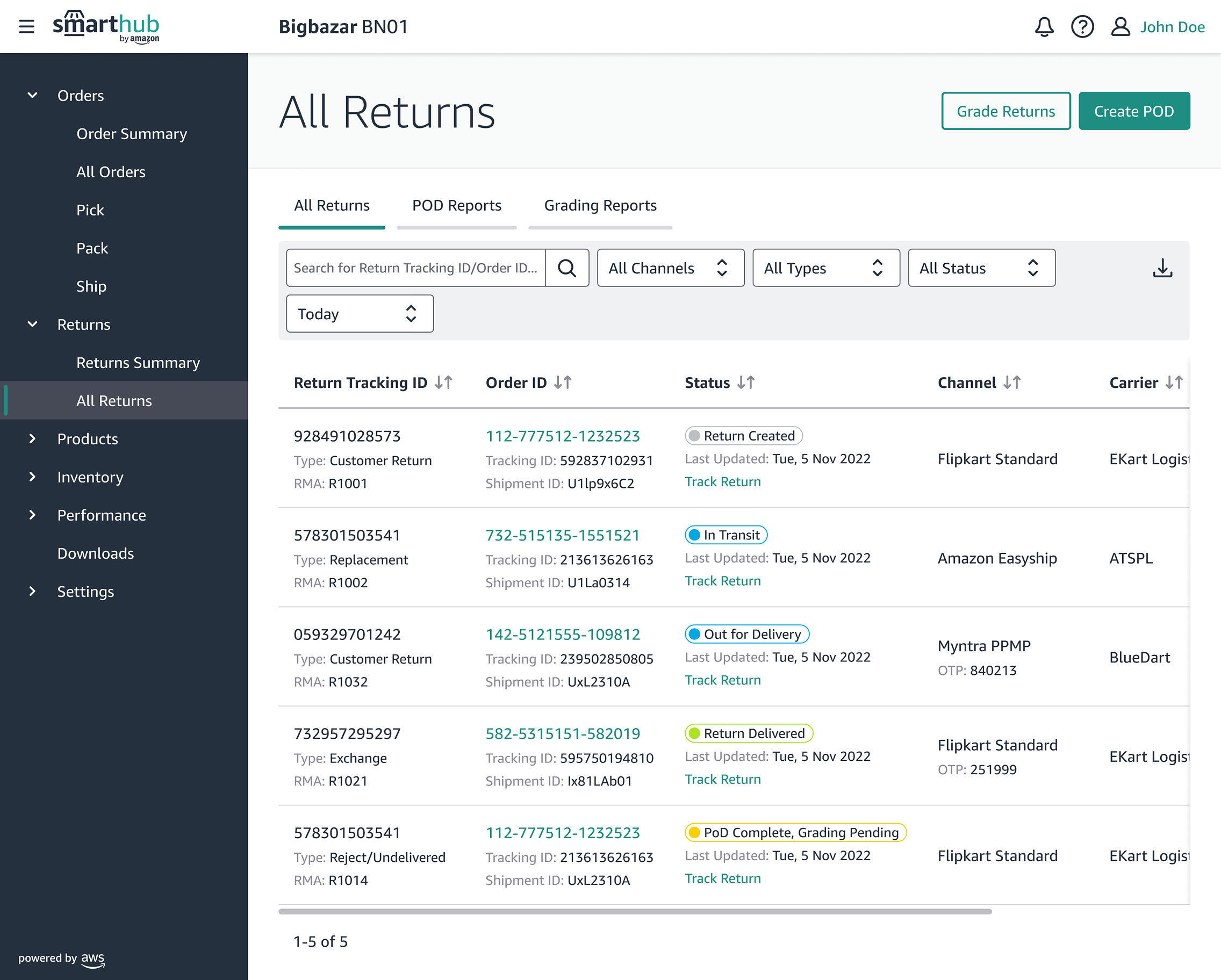
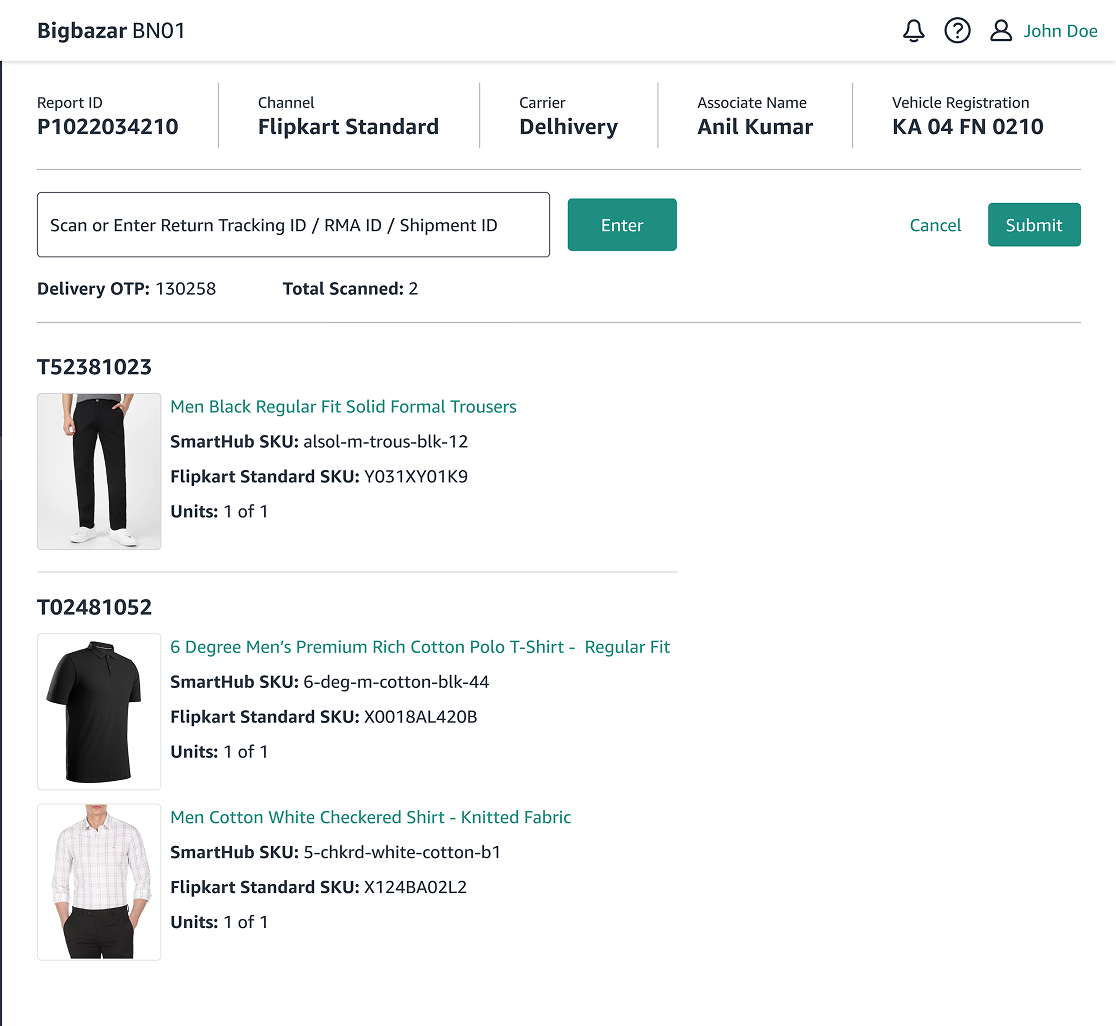
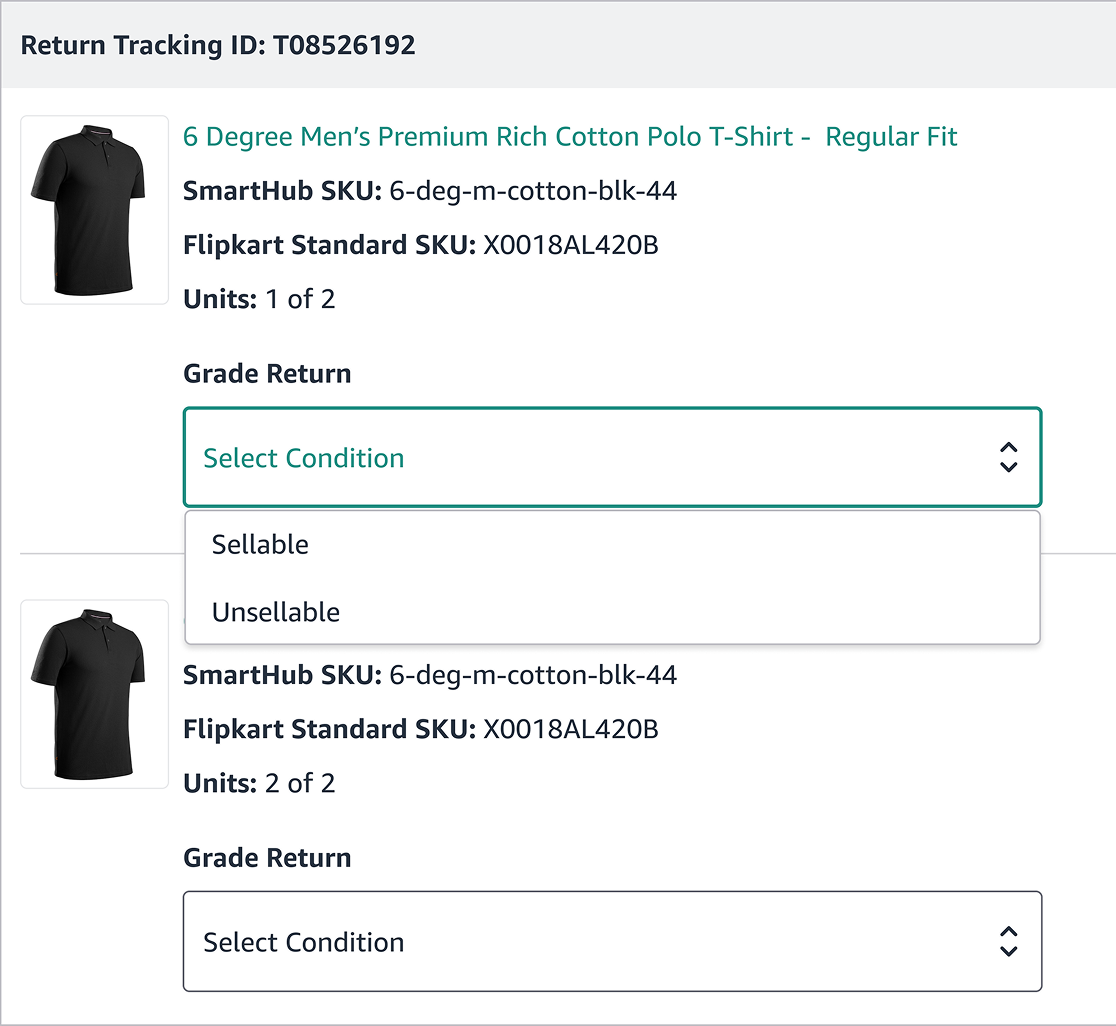
A centralised view of returns across all channels and carriers. Offers efficient Proof of Delivery (PoD) and Returns Grading that help minimise return-related losses and maintain inventory quality by separating sellable and damaged goods.